Shop waste overflow in Bounds Green: Quick solutions
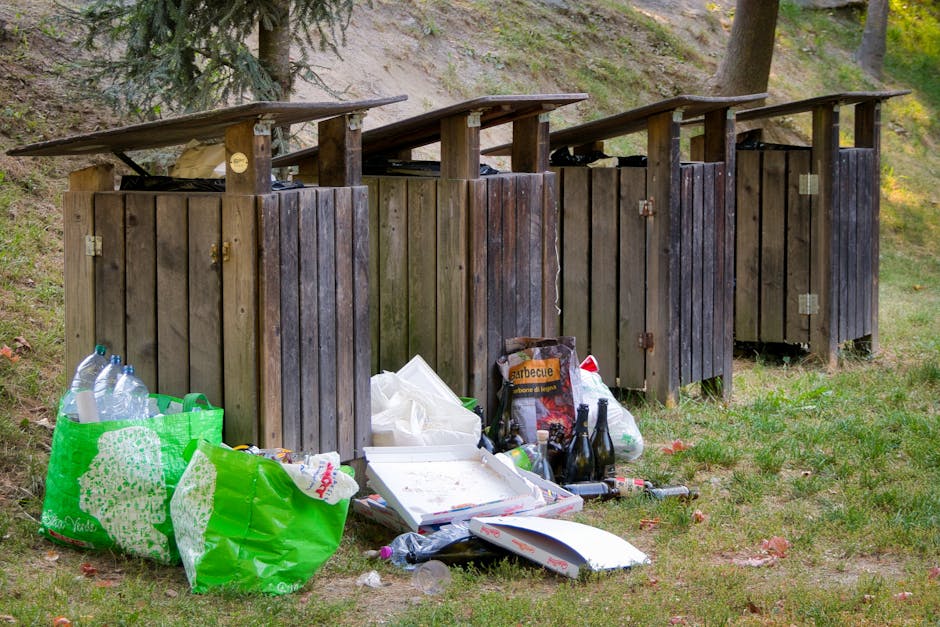
If your stockroom is starting to look like a holding bay and the back entrance is blocked by bags, boxes, broken display bits, and packaging, you are not alone. Shop waste overflow in Bounds Green: Quick solutions is really about getting control back quickly, safely, and without making the trading day harder than it already is. A busy shop can go from tidy to chaotic almost overnight, especially after a delivery rush, a refit, or one unexpectedly hectic weekend. The good news? There are straightforward steps that can calm the mess down fast.
This guide walks you through what overflow usually means, why it matters, how to tackle it without disrupting customers, and when a professional clearance approach is the sensible move. It is written for real-world retail, not theory. So if you are staring at a growing pile of cardboard and thinking, "Right, what now?" - start here.
Why Shop waste overflow in Bounds Green: Quick solutions Matters
Overflow in a shop is not just a housekeeping issue. It affects safety, trading space, customer experience, and the general feel of the business. In a small or medium retail unit, even a few extra sacks can narrow walkways, slow staff movement, and make the whole place look less cared for. And let's face it, customers notice that sort of thing, even if they do not say it out loud.
In Bounds Green, where many businesses operate in compact premises or along busy local routes, waste can build up faster than expected. Deliveries arrive. Seasonal stock comes in. Packaging piles up. A bit of old shelving gets removed, then a damaged till stand appears, then there is a stubborn heap of mixed rubbish in the back. It snowballs. Usually quietly, then suddenly.
Quick solutions matter because delays often cost more than action. When waste starts overflowing, you may face:
- blocked fire exits or awkward escape routes
- slower restocking and staff movement
- more mess, odour, and pest attraction
- reduced floor space for customers
- negative first impressions during peak trading hours
The aim is not just to remove rubbish. The aim is to restore safe, workable space quickly and keep the shop running normally. That sounds simple, but in practice it is where good planning makes all the difference.
How Shop waste overflow in Bounds Green: Quick solutions Works
The quickest way to deal with an overflowing shop waste problem is to sort it into clear categories, remove anything that can be dealt with immediately, and book a clearance route for the remainder. That might mean internal handling for a small amount of cardboard or soft packaging, but for larger mixed loads, old fixtures, bulky items, and repeated overflow, a commercial waste removal service is usually the practical answer.
In plain English, the process typically looks like this:
- Assess the volume - work out whether the issue is a one-off burst or a repeating pattern.
- Separate the waste - cardboard, plastic wrap, broken displays, general rubbish, and reusable items should not all be treated the same.
- Clear access points - make sure staff and collectors can move safely through the space.
- Remove priority items first - anything that blocks exits, stock access, or customer routes goes first.
- Arrange the right disposal route - some waste can be recycled, some needs specialist handling, and some is simply bulky general waste.
- Reset the area - clean the space, re-stack stock properly, and reduce the chance of a repeat overflow.
That final step is the bit people forget. If you only remove the rubbish and never fix the cause, you are back in the same spot next week. Maybe even sooner. Bit of a pain, truth be told.
For businesses that want a more structured solution, business waste removal can be a sensible fit, especially when the overflow is ongoing rather than a one-off blip. If the problem is tied to refitting, new shelving, or old shop fittings being stripped out, builders waste clearance may be more relevant. The right route depends on what has actually piled up, not just on how messy it looks.
Key Benefits and Practical Advantages
Quick action on shop waste overflow gives you more than a tidier back room. It can genuinely improve how the business runs from one day to the next.
- Safer movement - clear walkways reduce trip risks for staff carrying stock or moving cages.
- Better stock control - when waste is out of the way, you can actually see what needs restocking.
- Less stress at closing time - nobody enjoys playing Tetris with bin bags at 9:45 pm.
- Cleaner customer impression - even small retail spaces feel calmer when the behind-the-scenes mess is under control.
- More reliable recycling - separating cardboard and packaging early avoids contamination.
- Faster recovery after a busy period - after a promotion, sale, or refit, you can get back to normal quickly.
There is also a practical cash-flow angle. Overflow often hides inefficiency. If waste is being collected too slowly, or staff are repeatedly handling the same clutter, that is labour time you do not really want to waste. A neater process saves a lot of low-level friction. It sounds small, but small friction adds up.
Expert summary: the fastest fix is not always "remove everything now." It is "clear the hazards, separate the waste, and choose the disposal route that matches the type and amount of material." That keeps the shop functional while preventing the same overflow from coming straight back.
Who This Is For and When It Makes Sense
This kind of quick solution is useful for anyone responsible for a shop, retail unit, or small commercial premises in Bounds Green. It is especially relevant if the space is tight, storage is limited, or waste builds up during high-footfall periods.
You may need it if you run:
- a convenience store with regular cardboard and packaging overflow
- a boutique or fashion shop with display waste and packaging backlog
- a food retail unit with frequent stock deliveries
- a pharmacy, salon, or service-based shop with mixed general waste
- a unit undergoing a small refit, clear-out, or change of layout
It also makes sense for landlords, managers, and franchise operators who need the premises presentable quickly between occupiers or ahead of an inspection. If the overflow is tied to stored furniture, broken fixtures, or unwanted fittings, you may also find furniture clearance or furniture disposal helpful. Old counters and shelving take up far more room than people expect. One awkward metal unit can ruin half a stockroom, honestly.
If the premises are part of a larger site mix, it can overlap with wider clearance needs too. A back-room spillover sometimes comes with box rooms, loft storage, garage stock, or overflow from home-style storage areas above or behind the shop. In those cases, services such as loft clearance, garage clearance, or office clearance may be useful if the premises include admin or storage spaces as well.
Step-by-Step Guidance
If you need a fast, workable approach, keep it simple. The best systems are usually the least dramatic. Here is a practical sequence you can use the same day.
- Stop the overflow from spreading. Move fresh waste to one designated holding area only. Do not let it creep into the shop floor, corridor, or fire exit path.
- Pull out anything valuable or reusable. Returns, unopened stock, reusable packaging, and salvageable fittings should be separated before disposal.
- Break waste into clear streams. Cardboard, shrink wrap, mixed rubbish, damaged fixtures, and bulky items need different handling where possible.
- Flatten and compact safe materials. Cardboard boxes and packaging take far less room once flattened. Simple job, big payoff.
- Bag loose waste securely. Keep dust, litter, and small broken items contained so staff are not stepping around debris all day.
- Make a fast hazard sweep. Look for sharp edges, unstable stacks, blocked back doors, and items leaning into walkways.
- Schedule removal before the next rush. If trade is due to pick up again, do not wait until the area becomes unmanageable.
- Review why it happened. Was delivery timing off? Did the bin capacity not match the trading volume? Was storage overfilled? Solve the cause, not just the pile.
A useful rule of thumb: if you need to move things twice, the process probably needs simplifying. In busy shops, extra handling is what turns a manageable issue into a headache. Better to sort once, move once, and clear it properly.
If the waste is heavy, mixed, or awkward, a dedicated waste removal route is often the smoothest option. You can learn more about the broader approach through waste removal, especially when the issue extends beyond standard bin capacity.
Expert Tips for Better Results
Over the years, the same few habits tend to make the biggest difference. Nothing flashy. Just sensible routines that stop waste from becoming a daily nuisance.
- Use one "overflow point" only. If everything gets dropped in random corners, the problem looks bigger and becomes harder to move.
- Label waste zones clearly. Staff move faster when they know what goes where, especially during a hectic shift.
- Keep an eye on packaging-heavy days. Delivery days are often the ones when overflow starts quietly.
- Do a short end-of-day reset. Ten minutes now can save you a lot of groaning tomorrow morning.
- Do not let bulky items wait too long. One broken cabinet or stack of display panels can dominate a room for days.
- Use recycling streams properly. Clean cardboard and clean plastic are much easier to manage than mixed, contaminated waste.
There is also a people side to this. Staff are much more likely to keep a space tidy if the system feels easy. If they have to guess, they will delay. If the disposal route is obvious, they will use it. Simple, but effective. And yes, a decent marker pen and a couple of visible labels still work wonders in 2026. Go figure.
If you are planning a bigger reset, using a more general domestic-style clearance approach for mixed stored items may sometimes be helpful too, especially if stock overflow has drifted into non-retail storage areas. In those cases, home clearance or house clearance can sometimes inspire the kind of room-by-room thinking that makes shop storage far more manageable.
Common Mistakes to Avoid
The biggest mistakes are usually the most ordinary ones. People are busy. They work around the pile instead of dealing with it. That is understandable, but it causes more trouble than it solves.
- Waiting for a quieter day. There is rarely a magically quiet day in retail.
- Mixing everything together. Once waste streams are mixed, sorting becomes slower and less efficient.
- Blocking access routes. A temporary pile can become a daily obstruction before anyone notices.
- Ignoring smell, pests, or damp packaging. Those are early warning signs, not background noise.
- Keeping damaged stock "just in case." If it has no real resale or reuse value, it is usually space you cannot afford to lose.
- Assuming one small overflow is harmless. Small overflows become habits very quickly.
Another mistake is choosing a disposal approach that does not match the material. For example, a few flat boxes are not the same as broken shelving, old display units, and heavy mixed waste from a refit. The wrong method wastes time and can create more handling than necessary. Nobody needs that.
Tools, Resources and Recommendations
You do not need a lot of fancy kit to get a shop waste overflow under control. What you do need is a few practical basics that make sorting and removal faster.
- Strong sacks and tie systems for loose mixed waste
- Box cutters or safety knives for flattening cardboard safely
- Heavy-duty gloves for handling awkward packaging or sharp edges
- Clear labels or signs for recycling, general waste, and hold areas
- Small trolleys or dollies if bulky items need moving through narrow back areas
- Dedicated stacking space away from customer routes and fire exits
On the service side, it helps to know whether you need a general clearance, a business-focused removal, or something more specific to the kind of material being held back. If the overflow includes trade waste from regular retail operations, business waste removal is often the best starting point. If the issue is a one-off clear-out after new stock, a refit, or a change in layout, then a more targeted clearance can be the better fit.
For businesses that want reassurance around standards and handling, it is sensible to check the provider's approach to safety and disposal practices. A trusted service should be clear about its methods, not vague. You want confidence, not guesswork. If you are comparing options, a look at insurance and safety and health and safety policy can be reassuring when you are deciding who to bring in.
If sustainability matters to your shop, and it usually should, then look at how recyclable material is separated and where reusable items go. A good starting point is recycling and sustainability. It is a small part of the process, but it matters more than people think.
Law, Compliance, Standards, or Best Practice
For shop waste, the key thing is not to treat every item as the same kind of waste. In the UK, businesses have a duty to manage waste responsibly and avoid creating unsafe conditions. That means keeping exits clear, storing waste properly, using appropriate collection routes, and avoiding contamination where recycling is possible.
Best practice usually includes:
- keeping fire routes and escape points unobstructed
- separating recyclables from general waste where practical
- storing waste so it does not attract pests or create odour
- ensuring anyone handling waste has suitable protection and guidance
- using a provider that can explain its handling and disposal approach clearly
If you are dealing with mixed commercial waste, bulky goods, or waste from a refit, it is wise to choose a service that understands safe collection and proper sorting. That is especially important where heavy items or awkward access are involved. A shop back room is not a warehouse, and it is definitely not the place to improvise.
On the business side, it can also be useful to read the supplier's terms and conditions and payment and security information before booking. Clear expectations keep surprises down, and in waste work, clarity is worth a lot.
Options, Methods, or Comparison Table
There is more than one way to deal with overflow. The right choice depends on how much waste you have, how fast you need it gone, and whether the material is simple or mixed. Here is a practical comparison.
| Option | Best for | Strengths | Limitations |
|---|---|---|---|
| Internal sorting and bin reset | Small, one-off overflow | Quick, low disruption, inexpensive | Only works if volume is modest |
| Scheduled business waste collection | Regular retail waste buildup | Stable routine, easier planning | Can struggle if a sudden surge happens |
| One-off shop clearance | Refits, stock resets, bulky mixed waste | Fast space recovery, flexible handling | Needs clear access and accurate waste description |
| Specialist bulky item removal | Old fixtures, shelving, counters, damaged units | Good for heavy or awkward pieces | May not cover everyday waste needs |
For many shops, the best answer is a blend of routine collection plus occasional clearance when trading gets busy or stock changes suddenly. That combo keeps things practical. No drama, just less mess.
Case Study or Real-World Example
A small Bounds Green shop recently reached the point where cardboard was stacking near the back door, mixed packaging was spilling into the staff area, and a broken display unit had been sitting beside the till stock for longer than anyone wanted to admit. Nothing was catastrophic, but the space felt cramped and a little frazzled. Staff were moving around each other sideways, which is never a good sign.
The fix started with a simple sort. Cardboard was flattened, recyclable packaging was separated, and the broken display piece was identified as bulky waste rather than general rubbish. The team cleared the access route first, then removed the worst of the overflow in stages rather than trying to do everything at once. That made the whole thing manageable.
The big improvement came after that. The shop introduced one dedicated overflow point, a short end-of-day reset, and a better rule for when to remove damaged stock. The room did not just look tidier. It felt easier to work in. Staff could reach what they needed. Deliveries were less stressful. You could almost hear the relief in the place. A quieter back room, basically, and a happier one too.
That is the real lesson: the quick solution is useful, but the lasting solution comes from making the process simple enough that people will actually follow it.
Practical Checklist
Use this checklist if you need to act today or prepare for a fast clearance.
- Identify the overflow source: deliveries, stock rotation, refit waste, or general buildup
- Clear any blocked exits, corridors, or customer routes first
- Separate cardboard, packaging, general waste, and bulky items
- Remove reusable or returnable stock before disposal
- Flatten boxes and compact safe materials
- Bag loose rubbish securely
- Check for sharp edges, heavy objects, and unstable stacks
- Confirm what needs recycling and what needs mixed waste handling
- Choose a removal method that matches the volume and material type
- Review the cause so the overflow does not repeat next week
If you are dealing with mixed items from a stockroom, office corner, or a small storage area above the shop, it may also be worth reviewing the best-fit clearance route before you book. Sometimes the smartest thing is simply to move the right items out once, properly, and stop juggling them from one corner to another.
Get a free quote today and see how much you can save.
Conclusion
Shop waste overflow in Bounds Green does not need to become a weekly headache. Once you identify the source, clear the hazards, separate the waste properly, and choose the right removal route, the whole job becomes much easier to manage. Quick solutions work best when they are practical, repeatable, and calm rather than rushed.
The aim is simple: keep the shop safe, keep the space usable, and keep your team focused on trading instead of stepping over clutter. A tidy back-of-house area has a way of making the whole business feel more in control. And that feeling matters.
If you are ready to sort the overflow properly, it can help to speak with a provider that understands local business needs and can handle the job without fuss. The right support can turn a messy corner into usable space again, which, on a busy day, is worth a great deal.
Frequently Asked Questions
What is the fastest way to deal with shop waste overflow in Bounds Green?
The fastest approach is to clear access routes first, separate waste into categories, flatten cardboard, secure loose rubbish, and arrange removal for bulky or mixed items. That order keeps the space safe while you work.
Can I just keep overflowing waste in the back room for a day or two?
You can sometimes manage a short delay, but it is risky if the pile blocks access, attracts pests, or interferes with stock handling. If it is already awkward, it is better not to wait.
Is shop waste the same as office waste or builder's waste?
Not always. Retail waste can include packaging, stock waste, broken fittings, and mixed rubbish. If a refit is involved, some of it may overlap with builders waste clearance. The material type matters more than the label.
How do I know whether I need a one-off clearance or regular business waste removal?
If overflow keeps happening because of normal trading, regular business waste removal is usually the better fit. If the mess comes from a single event such as a refit, stock change, or end-of-season clearout, a one-off clearance makes more sense.
What should I do with cardboard and packaging overflow?
Flatten cardboard where safe, keep clean packaging separate, and avoid mixing recyclable material with general rubbish. The cleaner the sorting, the easier the removal and recycling process becomes.
Are there safety issues with shop waste overflow?
Yes. Overflow can block walkways, create trip hazards, hide sharp edges, and make escape routes harder to use. That is why the first step should always be clearing anything that affects safety or access.
Will a clearance service remove bulky shop fixtures too?
Often, yes, provided the items are described clearly in advance. Bulky counters, shelving, and damaged display units are a different task from ordinary waste, so it helps to explain what is actually there.
How can I stop waste overflow from happening again?
Use one designated overflow point, flatten packaging immediately, set a short end-of-day reset, and review delivery timing and storage capacity. Small routine changes prevent bigger messes later.
Do I need to separate recycling before booking removal?
It helps a lot. Separating recyclable material from mixed waste can improve efficiency and may reduce the amount that needs general disposal. It is not always perfect, but it is a smart habit.
What if the overflow includes damaged stock as well as rubbish?
Separate anything that can still be reused, returned, or repurposed before dealing with the rest. Damaged stock often gets forgotten because it is stacked "just for now," but that space is valuable.
How quickly can a shop waste overflow problem be solved?
That depends on the volume, access, and type of waste. A small overflow can be sorted the same day. A larger mixed pile may need scheduled removal, especially if bulky items or refit waste are involved.
Where should I start if I am not sure what needs removing?
Start with safety and access. Then sort waste into obvious groups: cardboard, general rubbish, reusable stock, and bulky items. If the pile is mixed or larger than expected, a professional assessment is usually the safest next step.