Health and Safety Policy — Office Clearance Bounds Green
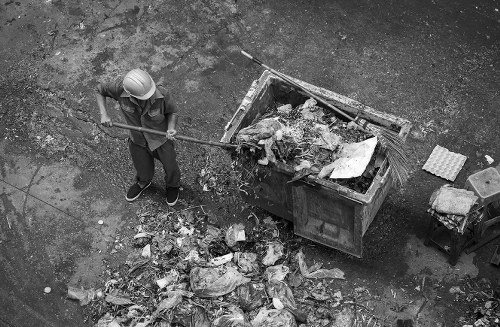 This Health and Safety Policy sets out the principles and procedures for safe execution of office clearance operations in and around Bounds Green. The policy is designed for teams undertaking commercial and domestic office clearances, including rubbish removal, office waste clearance and related site clearance activities. Our objective is to ensure the safety of employees, contractors, clients and visitors by maintaining robust controls that reduce risk and prevent injury or damage during office clearance projects.
The scope of this policy covers all stages of an office clear-out: initial assessment, on-site removal, transport of waste, segregation and temporary storage prior to disposal or recycling. Responsibilities are clearly allocated: managers must ensure adequate resources and oversight; supervisors carry out risk assessments and monitor compliance; operatives must follow instructions, use personal protective equipment (PPE) and report hazards. Contract partners and subcontractors engaged for rubbish company services are required to adhere to the same standards and to cooperate with site safety systems.
 Risk assessment and planning are central to safe office clearance. Before any removal begins a competent person will carry out an assessment to identify manual handling hazards, trip and slip risks, sharp objects, asbestos suspicion and electrical dangers. Control measures such as clear access routes, safe lifting techniques, mechanical aids, and isolation of electrical equipment are implemented and recorded. Training records demonstrate that staff involved in office rubbish removal have received instruction in health and safety, manual handling and hazardous waste awareness.
Operational Controls and Safe Working Practices
Safe working practices for the office clearance team include the use of appropriate PPE, safe stacking and containment of waste, and maintaining a tidy work area to prevent accidents. Supervisors will enforce permit-to-work procedures where necessary and ensure that health surveillance and first aid provisions are in place. Vehicle loading must follow vehicle-specific guidance and legal limits to prevent overloading and shifting of loads during transit for rubbish removal operations.
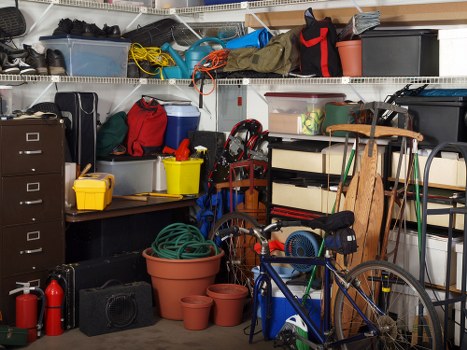 Manual handling is a frequent hazard in office clearances. Staff will be trained in correct lifting techniques and the use of trolleys, sack trucks and lifting equipment. The policy requires that heavy or awkward loads are identified and that team lifts or mechanical aids are used. Where waste may contain hazardous contents—such as batteries, toner cartridges, or chemical residues—these items are segregated and managed in line with hazardous waste procedures and current environmental obligations for commercial waste clearance.
- Segregation: separate recyclables, hazardous items and general rubbish;
- Containment: use appropriate sealed containers and labelled bags;
- Transport: secure loads and follow safe driving practices for waste removal vehicles.
Emergency Response, Monitoring and Continuous Improvement
Emergency procedures are in place to respond to incidents such as spills, injuries or fire during office clearances. Staff are briefed on evacuation routes, spill kits and the location of first aid supplies. Incidents and near misses are recorded and investigated so that corrective actions reduce the likelihood of recurrence. Reporting is encouraged and supported as part of a learning culture.
 Vehicles and plant used by the rubbish company for site clearance are maintained under a planned inspection regime. Drivers and operators are required to hold appropriate licences and certifications; pre-shift checks are carried out and defects are reported immediately. This ensures that transport of office waste and removal of bulky items occurs without mechanical failure or increased risk to the workforce or public.
 Monitoring and review are integral to the policy. Health and safety performance indicators—such as training compliance, incident frequency, and audit findings—are reviewed by management on a regular basis. Records of risk assessments, COSHH (where applicable), training and inspections are kept for review and legal compliance. The policy is subject to periodic review and continuous improvement to reflect changes in legislation, industry best practice and operational lessons learned.
Implementation of this policy depends on active participation at every level of the organisation. Everyone involved in office clearance, from planners to operatives engaged in rubbish clearance and waste removal, must commit to safe working practices. Managers will ensure resources and oversight; supervisors will enforce controls and training; and workers must follow procedures and report hazards. Together, these measures create a safer working environment for all involved in office clearance and commercial waste services.
Compliance with this policy supports legal obligations and demonstrates a commitment to preventing harm, protecting property, and minimising environmental impact during office clearouts. It is the responsibility of the organisation to ensure that this policy is communicated, understood and implemented effectively across all office clearance operations, including those performed by third-party rubbish removal providers.
