Event rubbish management at Alexandra Palace near Bounds Green
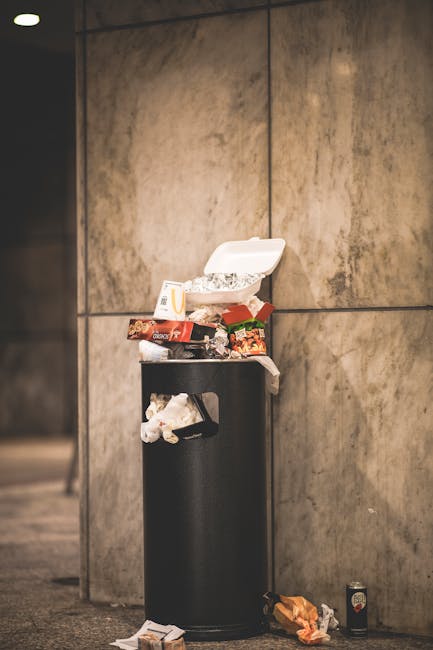
Planning an event near Alexandra Palace can feel brilliant right up until the rubbish starts piling up. One minute it is cups, flyers, packaging, and food waste. The next, you are looking at overflowing bins, blocked walkways, and a crew trying to tidy up while guests are still heading out. That is where event rubbish management at Alexandra Palace near Bounds Green makes a real difference.
Done properly, it keeps your event running smoothly, helps protect the venue, and avoids that familiar post-event scramble. It also saves time the next morning, which, let's face it, is usually when everyone is a bit tired and half-thinking about coffee. In this guide, you will find a practical, human explanation of how event waste removal works, what to expect, and how to get it right without making things more complicated than they need to be.
This is especially useful if you are organising a public event, private function, corporate gathering, market stall setup, or anything else that produces more waste than a normal day. Alexandra Palace sits in a busy part of North London, so a tidy plan matters. The streets, entrances, loading points, and surrounding areas all need a bit of care.
Below, we will look at the process, the benefits, common mistakes, compliance points, and the sensible next steps. If you are trying to keep the whole thing simple, you are in the right place.
Why Event rubbish management at Alexandra Palace near Bounds Green Matters
Event waste is not just a cleanup job at the end. It affects safety, guest experience, staff efficiency, and the impression your event leaves behind. At a place like Alexandra Palace, where footfall can be high and timing matters, rubbish can become a visible problem fast.
Think about what happens when waste is left unmanaged. Bags split. Cardboard gets damp. Bottles roll underfoot. Service areas become cramped. And if people are leaving through busy routes near Bounds Green, even a small mess can make the area feel disorganised. No one wants that feeling lingering at the end of a well-planned event.
There is also a practical side. Good rubbish management reduces the risk of slips, blocked access points, pest issues, and unnecessary stress for staff. It makes the space easier to reset, whether you are hosting a one-off event or working multiple dates over a weekend. Truth be told, the tidy-up can either be a calm final stage or a mini disaster. The difference is usually planning.
For organisers, the real value is control. When waste handling is part of the event plan, you are less likely to face last-minute panic, unplanned overtime, or complaints from the venue team. That matters at Alexandra Palace because events there often need to move with confidence and precision.
How Event rubbish management at Alexandra Palace near Bounds Green Works
In simple terms, event rubbish management is the process of collecting, sorting, removing, and disposing of waste in a way that fits the event schedule and venue layout. It is not just "taking the bins out". A proper setup usually includes an assessment of the waste likely to be produced, the number of collection points needed, and the timing of removals.
For example, a food-led event will usually create mixed waste, packaging, and food scraps. A trade event may generate cardboard, product wrapping, pallets, and promotional materials. A private function may produce a smaller volume, but often with awkward bulky items at the end. Each one needs a slightly different approach.
A typical process might look like this:
- Review the event type, expected visitor numbers, and waste streams.
- Decide where bins, sacks, and collection points should be placed.
- Set collection timings so waste does not build up during peak periods.
- Separate recyclable materials where practical.
- Arrange removal at the end of the event or in stages during busy periods.
- Clear the site so the venue can be handed back clean and safely.
That sounds straightforward, and mostly it is. But the small details matter. Narrow access routes, loading times, and high-traffic exits can all affect how smoothly rubbish leaves the site. If your team has ever tried moving a stack of black bags through a crowd while someone asks, "Where does this go?", you will know what I mean.
Many organisers also work with related services such as business waste removal or broader waste removal when an event produces more than the standard bin setup can handle. That becomes particularly useful when you have temporary offices, pop-up stands, storage clutter, or post-event materials to move quickly.
Key Benefits and Practical Advantages
Good event rubbish management does more than keep the venue looking neat. It supports the whole event from start to finish.
1. A safer environment
Clear floors, uncluttered exits, and properly placed waste points reduce the chance of trips, spills, and blocked routes. That matters during setup, during peak attendance, and in the rush after the last guest leaves.
2. A better guest experience
People notice when an event feels tidy. Full bins, litter near food areas, and leftover packaging can change the mood of a space very quickly. A clean event feels considered. Guests may not comment on it directly, but they do notice.
3. Faster turnaround
If the waste plan is built in from the beginning, the site can be cleared more efficiently. That is especially helpful for venues with tight handover windows or back-to-back bookings. You do not want your team still wrestling with cardboard while another event crew is waiting to come in.
4. Less stress on staff
When rubbish management is arranged properly, staff can focus on service instead of improvising cleanups. That alone is worth a lot. A tidy waste plan saves energy everywhere.
5. Better recycling outcomes
With a bit of sorting and the right collection method, more material can be reused or recycled instead of being treated as general waste. The practical result is simple: less unnecessary disposal and a cleaner overall process. If sustainability is part of your event brief, this is a very visible place to start.
| Waste management approach | Best for | Typical strengths | Potential drawbacks |
|---|---|---|---|
| Basic bin-only setup | Very small gatherings | Simple, low effort | Can overflow quickly at busy events |
| Staged rubbish removal | Medium to large events | Reduces build-up during the day | Needs scheduling and staff coordination |
| Full event clearance support | Large or multi-zone events | Handles mixed waste efficiently | Requires planning and access arrangements |
Expert summary: the best event waste plan is usually the one people barely notice. If rubbish disappears at the right time, the event feels calm, organised, and professionally run.
Who This Is For and When It Makes Sense
Event rubbish management at Alexandra Palace near Bounds Green makes sense for any organiser who wants the cleanup to be handled properly rather than left to chance. That includes:
- corporate event organisers
- conference and exhibition teams
- private party hosts
- festival and live event managers
- pop-up retailers and market traders
- venue hire teams
- caterers and hospitality contractors
- production crews dealing with packaging and set materials
It is especially useful when the event creates mixed waste, bulky items, or packaging that cannot just sit around until the end of the day. If you are bringing in catering, staging, displays, cardboard boxes, temporary furniture, or promotional materials, the waste load tends to grow faster than people expect.
It also makes sense when access is tricky. Around busy North London locations, timing and loading access can matter almost as much as the waste itself. A small delay can create a chain reaction. One bag pile turns into a queue. A queue turns into clutter. Then someone is asking where the spare trolley went. Not ideal.
If you are not sure whether you need full support or just a straightforward collection, the rule of thumb is simple: if the waste could interrupt your event flow, it is worth planning in advance.
Step-by-Step Guidance
Here is a practical way to think about the job from start to finish.
Step 1: Estimate the type and volume of waste
Start by identifying what the event will actually produce. Food waste, plastic cups, cardboard, paper, packaging, broken displays, and mixed rubbish all behave differently. A few boxes of print materials are very different from hundreds of food containers.
Step 2: Map the waste points
Look at where waste is likely to gather. Bars, entrances, catering areas, cloakrooms, and exits usually need the most attention. If people have to walk too far to find a bin, waste often ends up on tables or floors instead. Simple, but true.
Step 3: Decide what can be separated
Recycling is easier when waste streams are separated at source. Cardboard should not be mixed with food waste if you want any realistic sorting. The same goes for clean packaging versus contaminated rubbish. A few clear signs and the right containers can make a big difference.
Step 4: Set timing for removal
Will waste be removed throughout the event, only after closing, or in multiple stages? The answer depends on the crowd profile and site access. For busy events, a mid-event clearance can stop backlogs from building up. For smaller functions, end-of-event removal may be enough.
Step 5: Plan for bulky or awkward items
Chairs, broken fixtures, packaging pallets, rolled carpets, and leftover decor can all need special handling. This is where it helps to think ahead rather than hoping it will all sort itself out. It will not, unfortunately.
Step 6: Confirm responsibility
Make sure everyone knows who is responsible for what. Venue staff, event organisers, caterers, contractors, and waste teams should all understand the handover point. Confusion at the end of a long day is how things get missed.
Step 7: Inspect the site before sign-off
Before you close the event, walk the space. Check corners, loading bays, under tables, behind staging, and around exits. Small leftovers tend to hide in plain sight, especially when everyone is tired and keen to go home.
Expert Tips for Better Results
In our experience, the strongest waste plans are the ones that fit the actual event rather than a generic checklist. A few small choices can make a big difference.
- Place bins where people naturally pause. Near drinks, catering, and exits works better than hiding them in a corner.
- Use clear labels. If recycling is part of the plan, make it obvious. People are willing to help, but only if it is simple.
- Keep a spare stock of liners and ties. It sounds dull. It saves time. End of story.
- Schedule one person to own waste checks. Not a committee. One person. Otherwise everyone assumes someone else sorted it.
- Separate clean cardboard early. Once it gets wet or contaminated, it becomes harder to handle efficiently.
- Think about the final 30 minutes. That is when bins overflow, staff get busy, and the site can suddenly look worse than it did all day.
A small but useful habit is to do a quick perimeter walk just before the close of service. You will catch the awkward bits before they become the first thing people see on exit. That, honestly, is half the battle.
If your event produces a lot of packaging, planning around furniture clearance or builders waste clearance can also help when you are removing temporary structures, staging materials, or bulky setup items. Not every event waste issue is just "rubbish in bags". Sometimes it is more like, "Where does this giant stack of stuff go now?"
Common Mistakes to Avoid
Most waste problems do not come from one huge failure. They come from a handful of small oversights that add up.
Underestimating the volume
This is the classic mistake. Event waste always looks manageable at the beginning. Then the event starts, the bins fill, and suddenly your "small issue" has a queue.
Waiting until the end to deal with rubbish
Leaving everything until closing time can make removal slower and more stressful. Staged clearing is often much easier, especially for longer events.
Not planning access
If a removal team cannot get to the waste quickly, the whole process slows down. Loading access, lift use, corridor width, and timing around guests all matter.
Mixing all waste together
When recyclable materials are mixed with general waste, you lose options and usually increase disposal effort. It is better to separate early, even if the setup is basic.
Forgetting the hidden spots
Waste does not only collect in obvious areas. Behind bars, under display tables, in storage corners, and around signage bases are all common miss points.
Assuming the venue will handle everything
Some venues can support waste handling, but organisers still need a clear plan. Do not assume the basics are covered unless they are confirmed. A quick conversation saves headaches later.
Tools, Resources and Recommendations
You do not need complicated equipment to manage event rubbish well, but you do need the right basics. Here are the practical tools that tend to help most.
- Colour-coded bins or sacks for different waste streams
- Strong bin liners that can cope with heavier event waste
- Hand trolleys or dollies for moving bulky items
- Protective gloves for staff handling waste safely
- Labels and signage for recycling or general waste points
- Checklists for setup, live event checks, and breakdown
- Timing plan showing when collections should happen
If you are managing a larger or more complex event, it can also help to use related services like office clearance for temporary workspace clearouts, or home clearance if event storage, staging, or domestic overflow becomes part of the same project. That may sound broad, but real event logistics often are.
For organisers comparing different approaches, it is also sensible to review pricing and quotes early in the planning process. Not because every event needs a complex budget sheet, but because knowing the likely scope helps you avoid last-minute surprises.
Law, Compliance, Standards, or Best Practice
Any event waste plan should follow normal UK best practice around health, safety, and responsible disposal. The exact requirements can vary depending on the venue, waste type, and who is handling the materials, so it is always wise to confirm details for your specific event rather than assume a one-size-fits-all rule.
At a practical level, that means:
- keeping walkways and exits clear
- avoiding waste build-up that could create trip hazards
- handling sharps, broken glass, and contaminated waste carefully
- using suitable containers for different waste streams
- making sure waste is transferred to appropriate disposal routes
- checking venue rules before bringing in any collection system
If contractors are involved, it also helps to ask about insurance, safety processes, and how the team handles site access. Services such as insurance and safety and health and safety policy are worth reviewing if you want peace of mind before event day.
On the sustainability side, responsible sorting and recycling are now a normal expectation for many organisers. That does not mean every event needs a perfect zero-waste strategy. It simply means making sensible choices, reducing contamination, and avoiding unnecessary landfill where practical.
One more thing: if you are dealing with potentially messy or urgent waste after an event, do not leave it sitting in a public-facing area any longer than you need to. Clean handover is part of good event practice. It protects the space, and it protects your reputation too.
Options, Methods, or Comparison Table
Choosing the right method depends on event size, waste type, and how quickly the site needs to be cleared. Here is a simple comparison that helps narrow it down.
| Method | Best use case | Strengths | Limitations |
|---|---|---|---|
| On-site bin management only | Very small events with limited waste | Low setup effort, easy to coordinate | Not suitable for larger volumes or bulky items |
| Scheduled collection during the event | Busy events with steady waste output | Prevents overflow, keeps the venue tidy | Needs timing and site coordination |
| End-of-event full clearance | Functions with a single breakdown window | Simple to plan, efficient for final handover | Can be slower if waste has built up all day |
| Combined recycling and waste handling | Events with mixed materials and sustainability goals | Better sorting, cleaner disposal process | Requires more awareness from staff and contractors |
If you are unsure which route fits your event, start with the question, "What will create the biggest bottleneck?" That usually points you to the right method pretty quickly. The answer is not always the same from one event to the next.
Case Study or Real-World Example
Imagine a mid-sized evening event near Alexandra Palace with food stalls, branded materials, and a few temporary display stands. The event starts well. Guests arrive, the lighting looks good, and everything feels organised. Then, around the busiest hour, food packaging begins to build up near the main social areas.
Without a rubbish plan, those little piles spread. Staff are distracted by service. A recycling bin fills faster than expected. A stack of cardboard boxes is left near a side route because no one wants to carry it through guests. By the end of the night, the whole place feels more chaotic than it should.
Now picture the same event with a proper waste plan. Bins are placed near food and drink zones. One team member checks them at set intervals. Cardboard is removed before it becomes a bottleneck. The final sweep takes less time because waste has already been managed during the event. Guests leave through clear walkways, and the venue hands over cleanly.
That difference is not dramatic in a flashy way. It is quieter than that. But it shows up everywhere: staff look less frazzled, the venue feels cared for, and the final close-down is smoother. Sometimes the best event operations are the ones nobody notices because they just work. A bit boring, perhaps. Very useful, though.
Practical Checklist
Use this checklist before and during your event to keep rubbish management under control.
- Confirm the waste types your event will generate
- Estimate how much waste will build up during peak times
- Place bins in visible, convenient locations
- Separate recyclable and general waste where possible
- Assign a person to monitor waste points
- Plan collection timings in advance
- Check venue access and loading arrangements
- Prepare liners, labels, gloves, and spare supplies
- Identify bulky items that need special removal
- Do a final sweep of hidden corners and back-of-house areas
- Confirm the handover is clean and safe
Quick reminder: if the plan is written down and shared with the team, the event usually runs calmer. There is a reason simple systems stick.
Conclusion
Event rubbish management at Alexandra Palace near Bounds Green is really about keeping control of the parts of an event that can quietly get out of hand. Waste is easy to ignore at first, but once it starts building up, it affects safety, presentation, and the speed of your close-down.
The good news is that a solid plan does not need to be complicated. If you match the waste setup to the event type, keep collections timely, and think about access and recycling early, you can avoid most of the common headaches. That leaves your team free to focus on the event itself, which is where their attention should be.
If you are preparing for a venue booking, a public function, or a busy branded event near Bounds Green, a little waste planning now will save a lot of effort later. And that calm, tidy finish? It says a lot.
Get a free quote today and see how much you can save.
Sometimes the smallest operational details are the ones that make everything else feel easy. That is the quiet win worth aiming for.
Frequently Asked Questions
What does event rubbish management at Alexandra Palace near Bounds Green usually include?
It usually includes planning waste points, separating recyclable materials where practical, arranging collection timings, removing rubbish safely, and completing a final site clear-down after the event.
Do I need a waste plan for a small event?
Yes, even small events benefit from a basic plan. If you know where waste will gather and who is responsible for removing it, you avoid a lot of last-minute hassle.
How early should I arrange event rubbish removal?
As early as possible. The more notice you give, the easier it is to align timing, access, and the right collection method with your event schedule.
Can event waste be recycled?
Often, yes. Cardboard, some packaging, and other clean materials may be suitable for recycling if they are separated properly and kept free from contamination.
What waste causes the most problems at events?
Mixed waste, food waste, bulky packaging, and damp cardboard tend to create the biggest issues because they build up quickly and are harder to handle once messy.
What if my event creates bulky items as well as rubbish?
Then you should plan for bulky removal separately. Items like display materials, temporary furniture, and broken fixtures usually need a different handling approach from standard bagged waste.
Is staged removal better than clearing everything at the end?
For many busy events, yes. Staged removal can prevent overflow and keep the site tidy throughout the day. For smaller functions, a final clearance may be enough.
How do I stop bins overflowing during the event?
Use enough bins, place them in the right spots, monitor them during the event, and empty them before they reach capacity. It sounds obvious, but it works.
Are there safety issues to think about?
Definitely. Waste should never block exits or create trip hazards. Glass, sharps, and contaminated waste also need careful handling according to normal health and safety practice.
What should I check before the venue handover?
Check floors, exits, loading areas, under tables, and back-of-house spaces. A final sweep often catches the odd bits everyone forgot while packing down.
Can a waste service help with last-minute event cleanup?
Yes, if the provider can accommodate the timing and access. Last-minute jobs are often possible, but booking ahead usually gives you better control and less stress.
How do I know which rubbish management method is right for my event?
Start by looking at event size, waste type, access, and how fast the site needs to be cleared. If the event is busy or produces mixed waste, a more structured plan is usually the safer choice.